 Clinical item
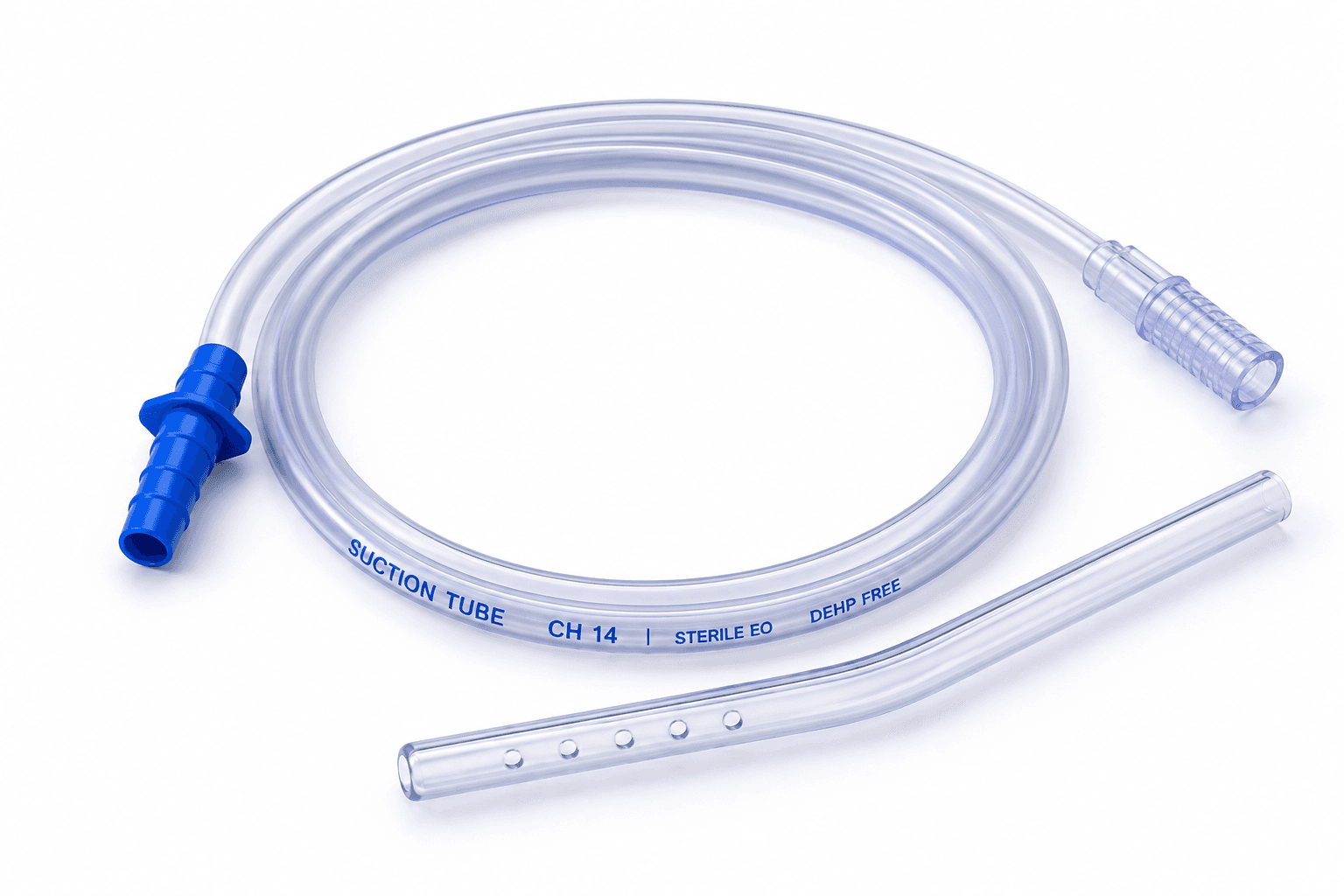
Suction Catheter
Sterile single-use suction catheters in sizes 6 Fr to 16 Fr with thumb-control vent, for clearing secretions through the mouth, nose or a tracheostomy.
Also called suction tube · kaf nikalne ki nali
Sizes & safetyConsumables
Equipment gets bought once. These get bought every week, and they are where home care quietly succeeds or fails — a catheter left in too long, a feeding tube nobody checked, a diaper two sizes wrong. Each item below carries the sizing and the safety points that should have come with it.
Foley catheters, Ryles feeding tubes and suction catheters are ordinary-looking objects that cause serious harm when used by someone who was never shown how. Feeding into a nasogastric tube whose position has not been confirmed is fatal and is classed as a never-event. We will supply these to anyone — but if nobody in the household has been trained, say so when you order and we will arrange a nurse through Encone Care rather than leave you to work it out.
Consumables for clearing secretions in tracheostomy and bedbound patients.
Clinical itemSterile single-use suction catheters in sizes 6 Fr to 16 Fr with thumb-control vent, for clearing secretions through the mouth, nose or a tracheostomy.
Also called suction tube · kaf nikalne ki nali
Sizes & safetyIndwelling catheters and the sterile lubricant used to place them.
 Clinical item
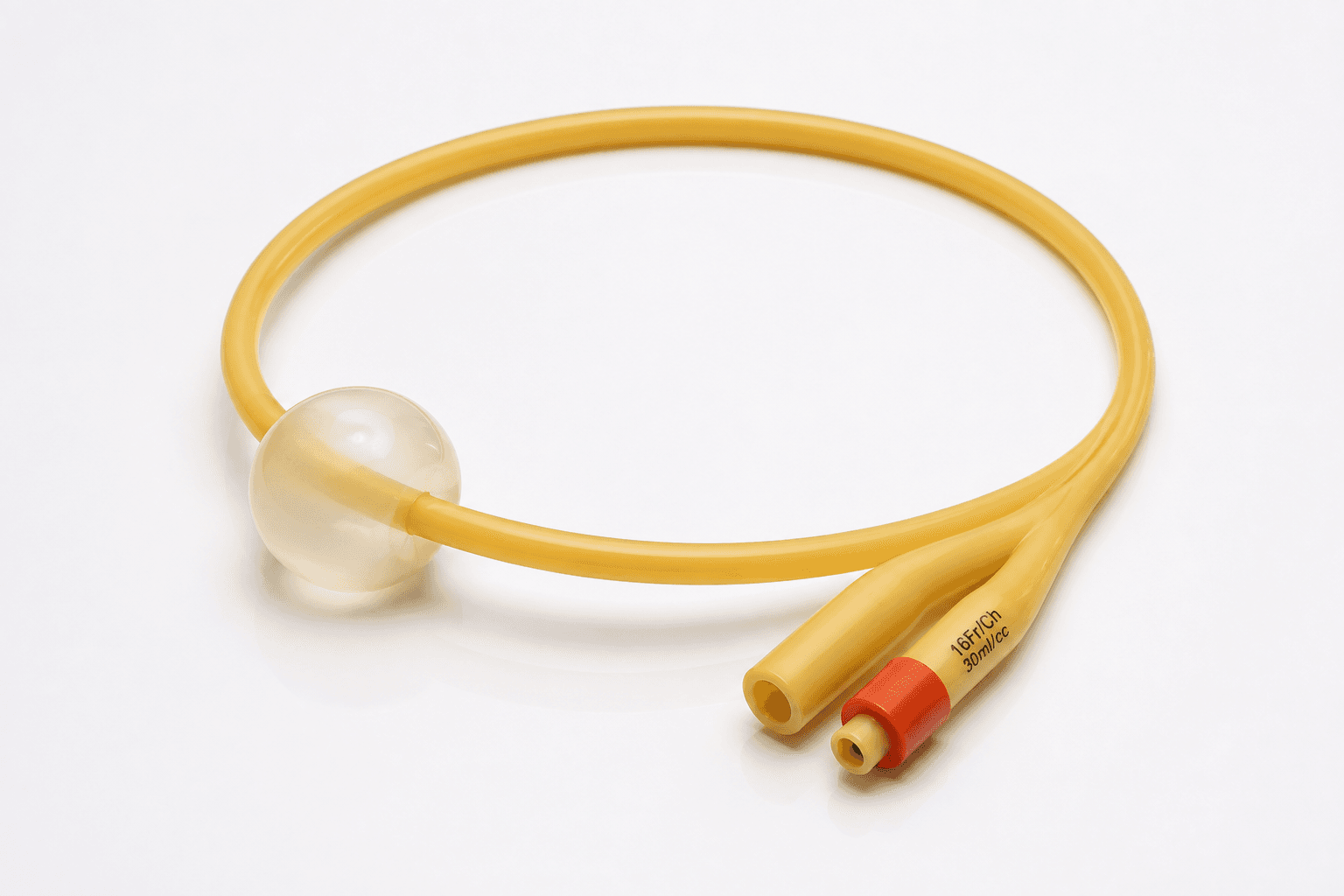
Sterile indwelling urinary catheter with a retention balloon, in silicone and latex, sizes 6 Fr to 24 Fr — placed by a trained nurse, never by an untrained carer.
Also called urine ki nali · peshab ki pipe
Sizes & safety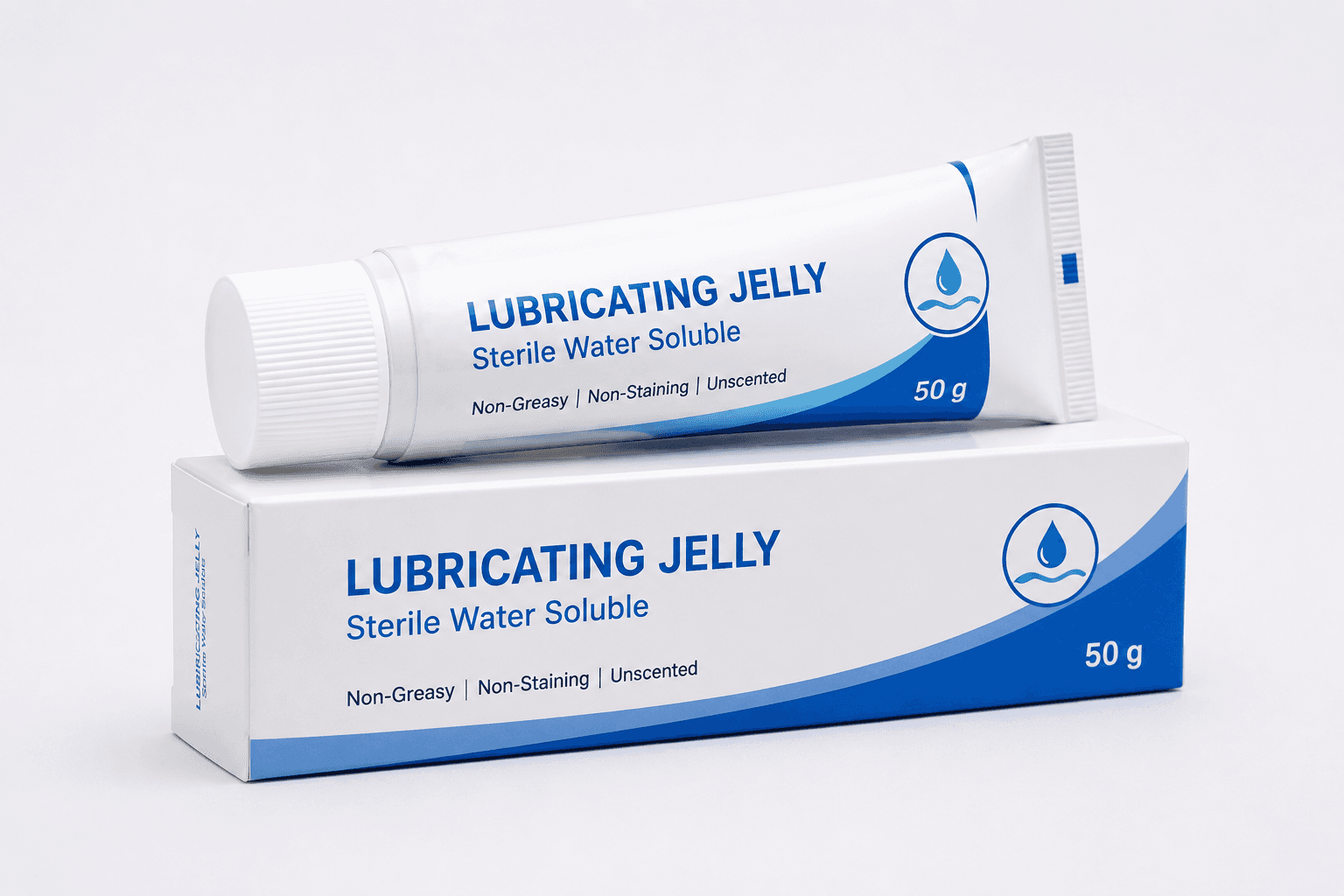
Sterile water-based lubricating jelly in single-use sachets and tubes, plain or with lignocaine, for catheter and tube insertion.
Also called catheter jelly · lignocaine gel
Sizes & safetyNasogastric tubes for patients who cannot safely swallow.
 Clinical item
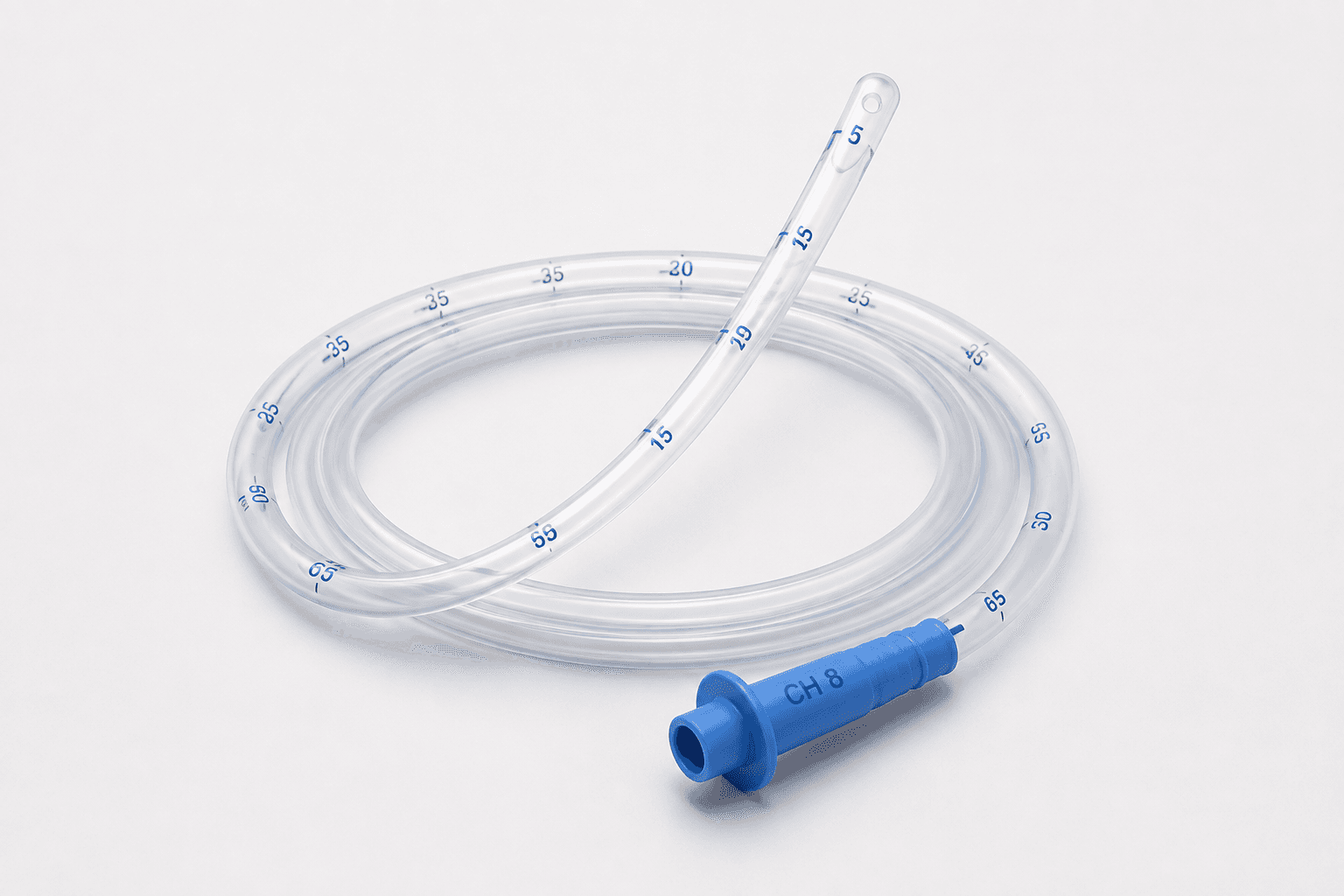
Sterile PVC nasogastric tube in sizes 8 Fr to 18 Fr for feeding and gastric drainage — position must be confirmed before anything is given through it.
Also called food pipe · khane ki nali
Sizes & safetyExamination gloves and masks for anyone giving hands-on care at home.
 Clinical item
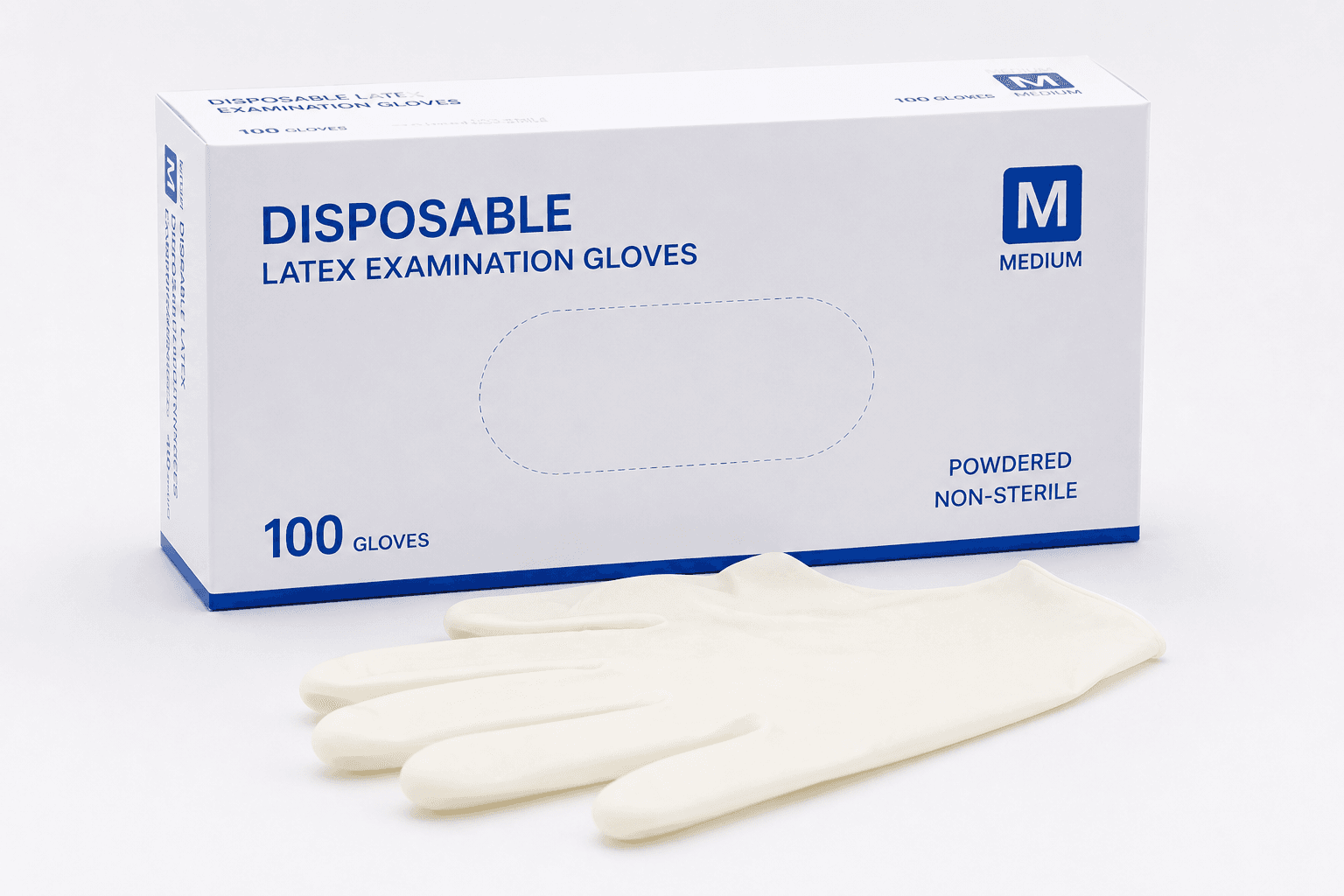
Nitrile and latex examination gloves, powder-free, in S/M/L/XL — for every hands-on care task at home.
Also called hand gloves · medical gloves
Sizes & safety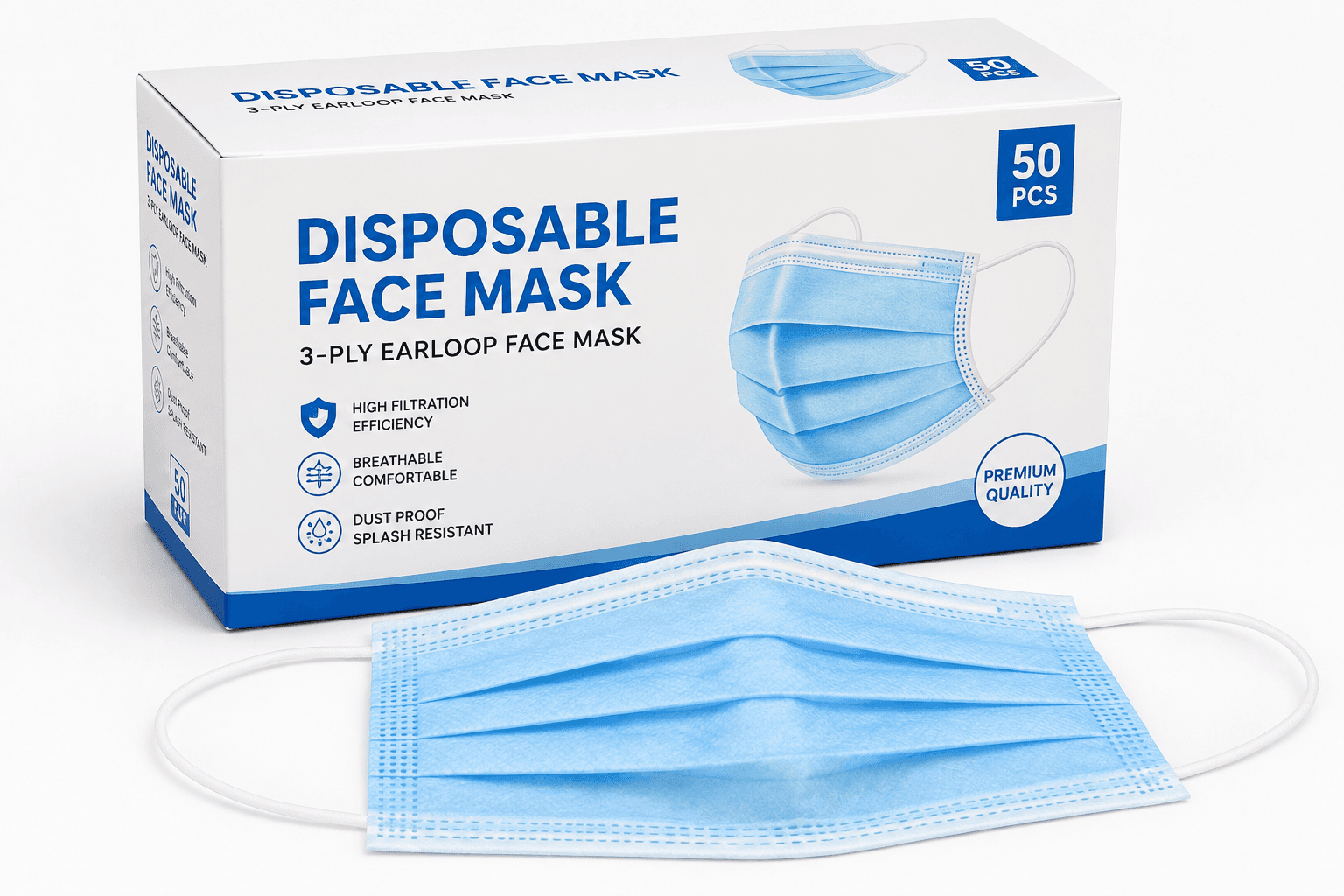 Clinical item
Three-ply surgical masks and N95 respirators for carers, visitors and immunocompromised patients at home.
Also called surgical mask · 3 ply mask
Sizes & safetyAdult diapers and the skin protection that has to go with them.
 Clinical item
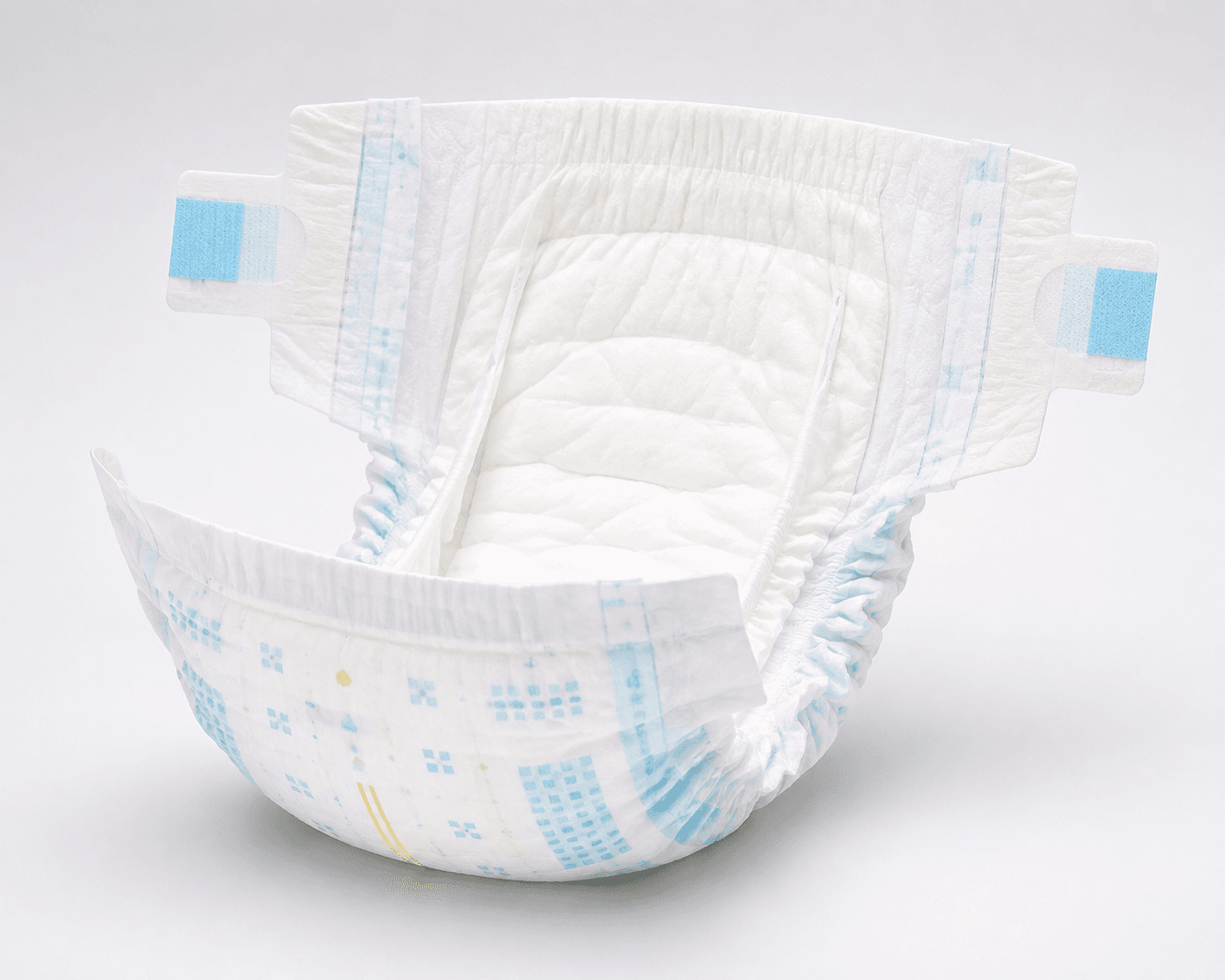
Tape-style and pull-up adult diapers with absorbent core and leak guards, in M/L/XL — sized by waist, not by body weight.
Also called adult nappy · incontinence pads
Sizes & safetyDescribe who is coming home and what they need help with, and we will work out the sizes and quantities with you — 7 consumables and 28 pieces of equipment between us. It is a faster conversation than a catalogue.